
Shapewear is easiest to like when it is chosen for a specific outfit and a specific number of hours, not as a default layer for every day. A mid-thigh short under a dress, a smoothing tank under a blouse, and a brief under trousers are different tools. The common failure is buying the firmest piece on the page, wearing it once, and then leaving it in the drawer because you could not eat lunch.
This is a practical pairing guide, and it is not a demand that anyone wear shapewear at all. For the basics of compression versus comfort, see shapewear that smooths. For bras that work with the neckline, start with everyday versus special-occasion.
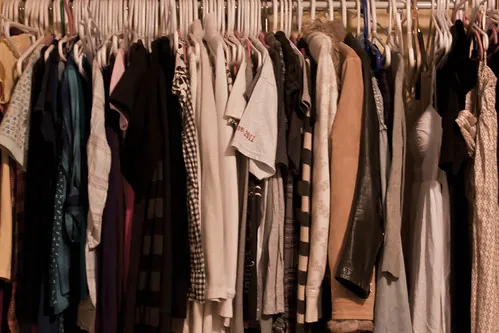
Start with the garment, then pick the shapewear
Under a fitted dress or skirt, a mid-thigh short or a slip-short can smooth the line from waist to thigh and reduce rubbing. Look at the hem of the dress: a short that ends exactly where a tight skirt ends can make a thicker line. A slightly longer or slightly shorter hem is often cleaner. Under trousers or a slim knit pant, a shorter brief or a high-waist brief can be enough, and a long short can bunch at the knee when you sit.
Under a blouse or knit top, a smoothing camisole or tank can reduce a line at the waist of the pants. It should not fight the bra. If the tank has a built-in cup, try it on with the same test you use for a wireless bra; if it has no structure, wear your usual bra under it.
Compression level is a comfort budget
Light smoothing is often enough for everyday workwear and is more likely to be worn again. Firmer pieces can make sense for a short event, a photograph, or a dress that already fits and just needs a smoother line. “Firmer” is not “better,” and it is not a medical treatment. If a piece leaves you lightheaded, nauseated, or numb, take it off. That is the garment failing, not you failing to tough it out.
Try shapewear in the position you will actually be in: sitting at a desk, in a car, or at a table. Many pieces feel fine standing in a bedroom and then roll, dig, or sag when you sit. A wide waistband can be more comfortable than a thin, tight one. A cotton gusset and a practical opening, if that matters to you, are worth looking for on a workday piece.
Lines, seams, and fabric pile-up
The goal is usually a smoother line, not more seams. A thick seam under thin knit fabric will show. A very slick fabric can cling; a slightly matte fabric can disappear more easily under some clothes. If you already wear a structured t-shirt bra, do not add a second heavy cup layer unless you have tried the combination.
Bodysuits can replace a tank-plus-brief combination and can also create a new problem at the torso length or at the closure. If you are long- or short-waisted, read the length notes. A bodysuit as a visible layer is a different purchase from shapewear meant to disappear; see fabrics and care so a lace piece is washed like lace, not like a towel.
Workdays versus special occasions
A workday piece has to survive hours, a commute, and a meal. That usually argues for lighter smoothing, breathable fabric, and a cut you can use the restroom in without a battle. An occasion piece can be firmer and more specific to one dress, provided you can sit and walk in it. Do not assume the occasion short is your new everyday layer.
Weather matters. Firm, non-breathable fabric in midsummer is a common reason a purchase is not repeated. In winter, bulk under a wool dress can be as visible as the line you were trying to hide. Try the full outfit, including shoes, not only the shapewear in isolation.
A reasonable test before you keep the item
Walk, sit, bend to pick something up, and stay in the piece for more than three minutes. Look at the outfit in daylight. If the waistband rolls or the hem rides, try a different cut before you go firmer. Keep tags on until you are sure, and use the return policy.
Shapewear should feel like a choice that makes a specific outfit easier, not like a requirement for leaving the house. When it is the former, you will actually wear it. For a shortlist of current, widely sold bras and smoothing pieces, see Best Plus-Size Bras and Shapewear of 2026.
Caring for pieces you want to last a season
Shapewear elastic fails early if it is dried hot, wrung out, or washed with anything hook-like that can snag. Wash pieces as the care label allows, usually on a gentle cycle in a bag or by hand, and dry them in the air. That habit, described more fully in lingerie fabrics and care, is what keeps a mid-thigh short from bagging at the knees after a month.
Store pieces unfolded or lightly rolled so deep creases do not settle into the fabric. If a waistband has already rolled permanently, the garment is done; stretching it back into shape is a temporary trick. When you replace it, you will already know whether you want more length, a lighter compression, or a different hem, which is a better starting point than buying the next firmer size on the same page.
The last test is honest and simple: would you wear this on a Thursday with a normal lunch? If the answer is only “for a wedding,” keep it for the wedding and choose something kinder for work.